View Profile

Imperial Plumbing Inc.
(50)
- Morning
- Job
- Price
“I had woken up to no water pressure in my house, a flooded front yard, and a ruptured water main, so I did what the average home owner does and hopped on google.”
FAQs
Q: Do I really need a skilled plumber to come to my home to fix a leaky faucet or clear a clogged drain?
Yes! You may not know everything that a plumber knows. Plumbers are highly skilled and versatile craftsmen. They can install and repair pipes and plumbing fixtures, diagnose clogged-drain problems and solve all problems related to water systems in your building. Do-it-yourself solutions are great when they work, but your insurance policy may not cover flood losses if you make a mistake.
Q: How do I know if I have a broken sewer line outside my house?
A broken sewer line out in the yard may mean an excessively high water bill, puddles in your yard or the sound of running water when no faucets or appliances are using water. Using our video camera drain-inspection technology, we can see inside your pipes. This means we can pinpoint the problem without destructive trial-and-error methods that wreck your pipes and lawn. In many cases, we can fix the problem right away and save you money.
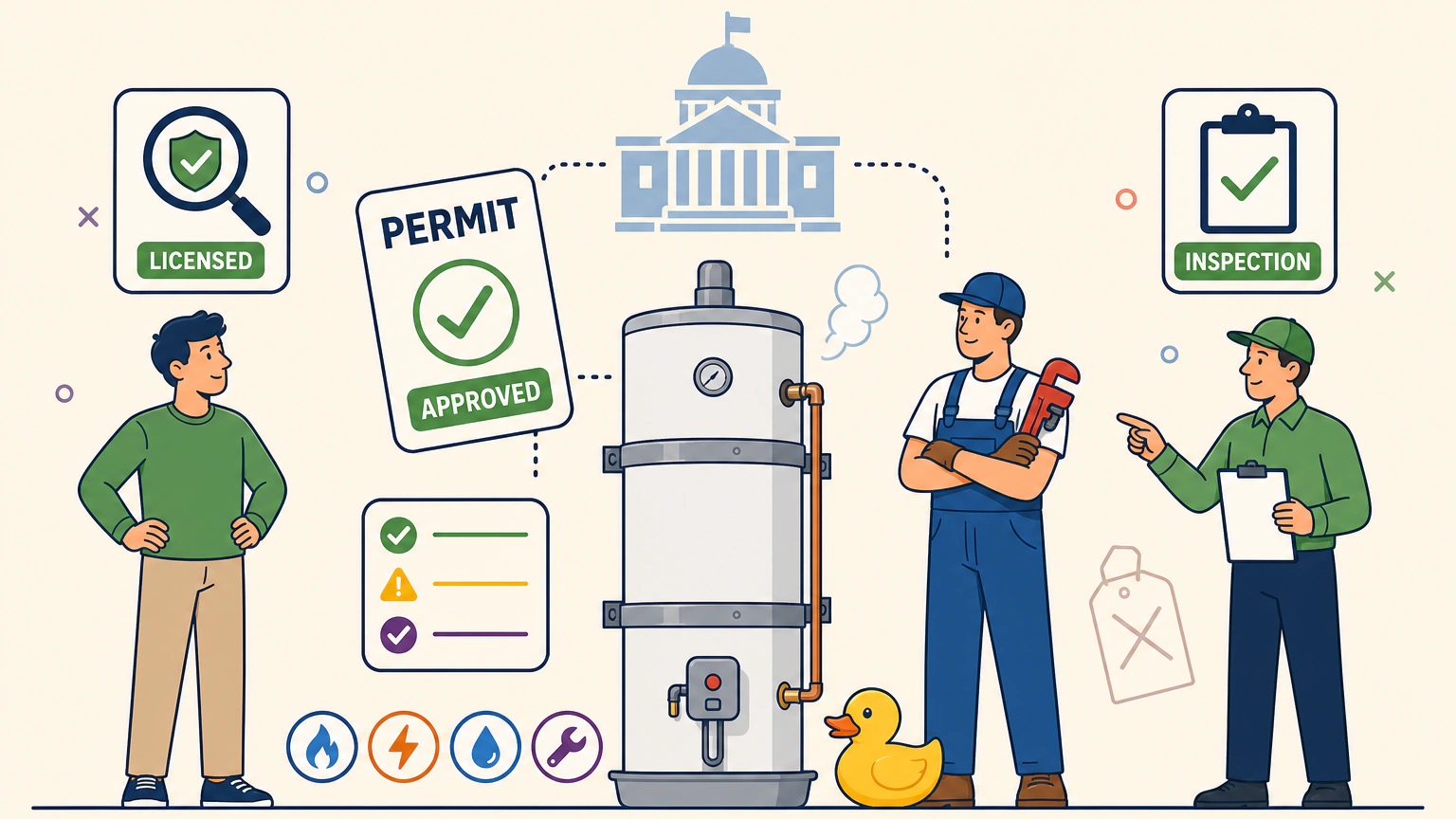
Q: What is the difference between conventional water heaters and tankless water heaters?
Conventional water heaters are by far the most common type of water heater in the U.S. today. They range in size from 20 to 80 gallons (or larger), and they are fueled by electricity, natural gas, propane or oil. Often called storage units, these water heaters transfer heat from a burner or coil to water in an insulated tank. The downside of a conventional water heater is that energy is consumed even when no hot water is being used.
More info can be found on the FAQ page of our website.
i