Overview: General Contractors
A general contractor runs the job. You hire one company; that company hires the framer, the electrician, the plumber and the painter, and decides who works which week. On anything with more than two trades in it, that sequencing is most of what you are paying for. Drywall cannot close a wall before the rough-in has been inspected.
Jobs rarely fail because someone cut a board wrong. They fail on paper. The scope says paint the trim, and nobody wrote down which trim. Extra work gets agreed in a hallway, then shows up on the final bill. Money runs ahead of progress, so when the tile goes in crooked there is nothing left to hold back.
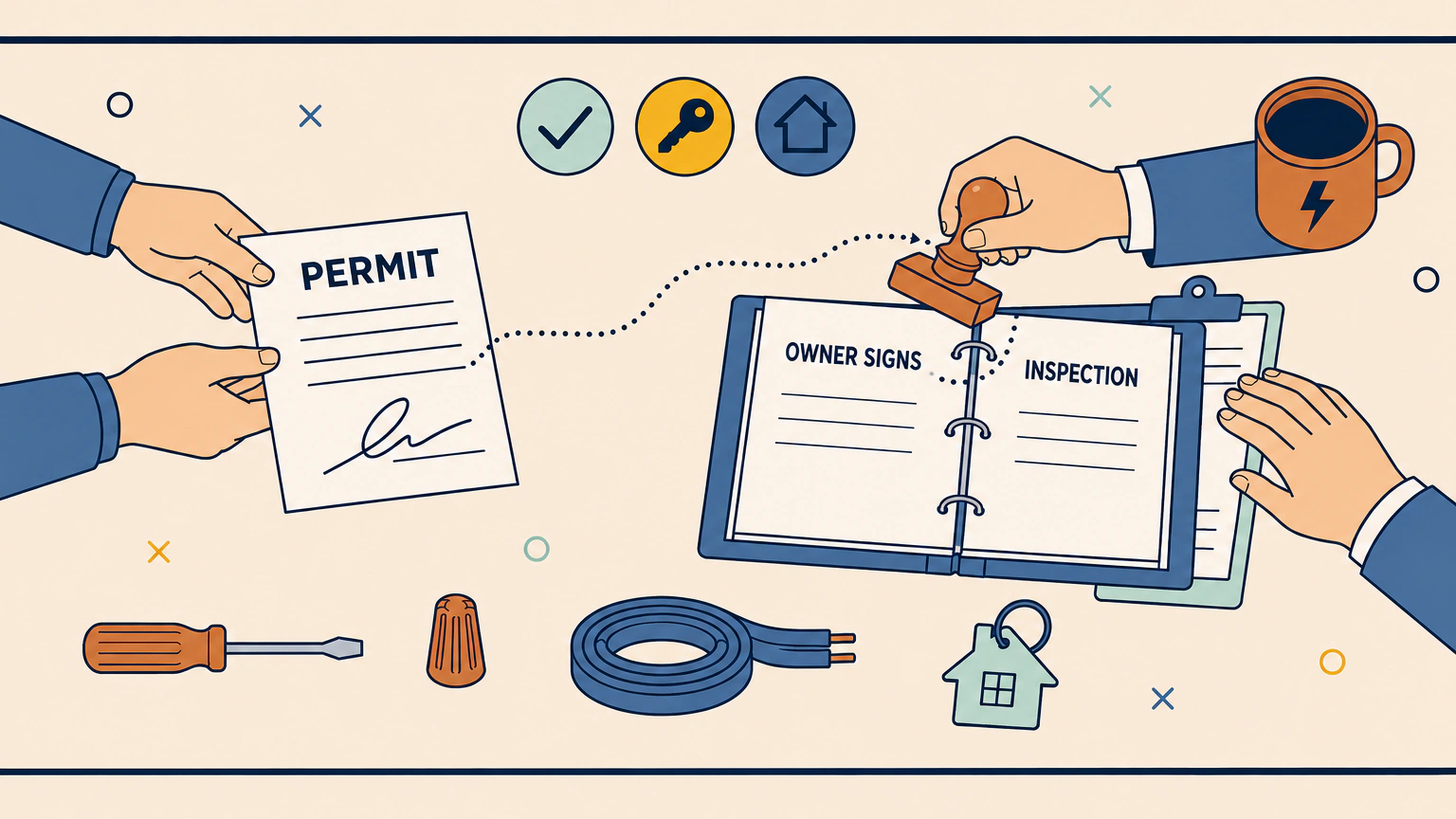
Look at the paperwork before the photo gallery. A written scope that also lists what is excluded. A payment schedule tied to finished stages rather than to dates. Changes priced and signed before that work starts. The permit pulled in the contractor's own name, and lien waivers from the subs each time you pay. Ask whose license it is and check it with the board that issued it.
Use the state and city lists to reach contractors working in your area. Listings show what each company states on its own website, plus what customers wrote in public reviews.
Cost of Hiring a General Contractor
Separate the construction budget from the contractor’s fee and any paid planning work. An initial conversation may be free, while estimating or design can have its own agreement. Compare the same scope, allowances and change-order rules before choosing a bid.
| Service or scope | Planning range | What this covers |
|---|---|---|
| Paid construction-budget or estimate preparation | $250–$500per limited estimating engagement | Review supplied project information and prepare the agreed construction budget or estimate under a separate paid estimating agreement; the level of detail must be stated.Ask whether the result is a preliminary budget or a firm proposal, whether the fee is credited later, and what information you must provide.Included scope and possible extrasScope used for this estimate: The agreed estimating review and written pricing deliverable Outside this estimate: Construction work; Architectural or engineering plans; Additional site consultation or design phases unless listed; Unlimited revisions or comprehensive preconstruction coordination |
| Contractor fee under cost-plus terms | 10%–20%of the agreed construction-cost base | Contractor overhead and profit charged under a cost-plus agreement, calculated on the specific cost items defined in that contract.This percentage is not the whole project cost. Do not add it again to a fixed-price proposal that already includes the contractor’s overhead and profit.Included scope and possible extrasScope used for this estimate: The management, overhead and profit covered by the agreed fee Outside this estimate: Underlying labor, materials and subcontractor costs; Services or site-supervision charges billed outside the fee; Design and permit costs unless included in the fee base |
| 400-square-foot ground-floor living-space addition | $50,000–$120,000per 400-square-foot addition | Build one approximately 20-by-20-foot ground-floor dry living room or family-room addition with ordinary finishes, electrical service and HVAC allowance; no kitchen or bathroom.Ask for the foundation type, roof connection, HVAC scope and allowance schedule. A second story or room with plumbing is a different budget.Included scope and possible extrasScope used for this estimate: Ordinary foundation, framing and enclosure specified for the site; Standard interior finish allowances; Agreed electrical and HVAC work; Contractor coordination and fee in the quoted construction total Outside this estimate: Kitchen or bathroom fixtures and plumbing; Land purchase; Unusual foundation, major structural tie-in or site remediation; Design, survey, engineering and permit fees unless itemized; Luxury finishes |
What changes the price
- Defined scope and finish allowances, existing conditions and structural changes.
- Cost-plus versus fixed-price terms, exact fee base and charges outside the fee.
- Design/permit readiness, schedule, site access and approval rules for changes.
Ask before you book
- What scope, quantities, allowances and exclusions support this price?A lower total may simply leave more decisions and necessary work unpriced.
- Is the contractor fee included, and which costs and changes receive markup?Different fee bases and separate supervision charges can change the real comparison.
- What paid planning deliverable do I receive, and how are changes approved?A preliminary budget, firm proposal and permit-ready design are different products; written change rules limit surprises.
Check the scope
A contractor fee and a complete project total are alternative views of the budget. Check the contract before adding fees, allowances or planning charges to an all-in proposal.
Compare quotes wisely
Compare the same written scope and allowances, and ask for priced alternatives before construction begins.
How to read these estimates
These ranges combine published U.S. prices and cost guidance for the stated work. They are budgeting estimates, not offers from listed companies or a statistical national average. Confirm the total, included work and additional charges in writing.
U.S. planning estimates. Local quotes vary by location and the scope of work.
Frequently asked questions
What does hiring a general contractor actually buy you?
One point of responsibility for a job with several trades in it. The contractor writes the scope, prices it, hires and pays the subs, orders materials so they land when the crew does, and keeps the inspections in the right order. You get one number, one schedule and one person to call when a crew does not show. On a single-trade job, that layer costs money it does not earn.
Contractor or project manager: what is the difference?
A general contractor signs one contract for the finished work and hires the subs as their own. A project manager, sometimes called a construction manager, coordinates for a fee while you hold a separate contract with every trade. The managed route can look cheaper on paper. It also leaves the gaps between trades, and the sub who did not get paid, sitting with you.
How should a change order work?
In writing, before the work happens. Each one names what changed, what it adds to the price, what it does to the schedule, and who asked for it. Verbal extras are where the trust goes: the crew remembers a yes, you remember a maybe, and the number turns up on the final invoice. Expect a few on any older house. A wall opened up is a wall with surprises in it.
Who arranges permits, approvals and inspections?
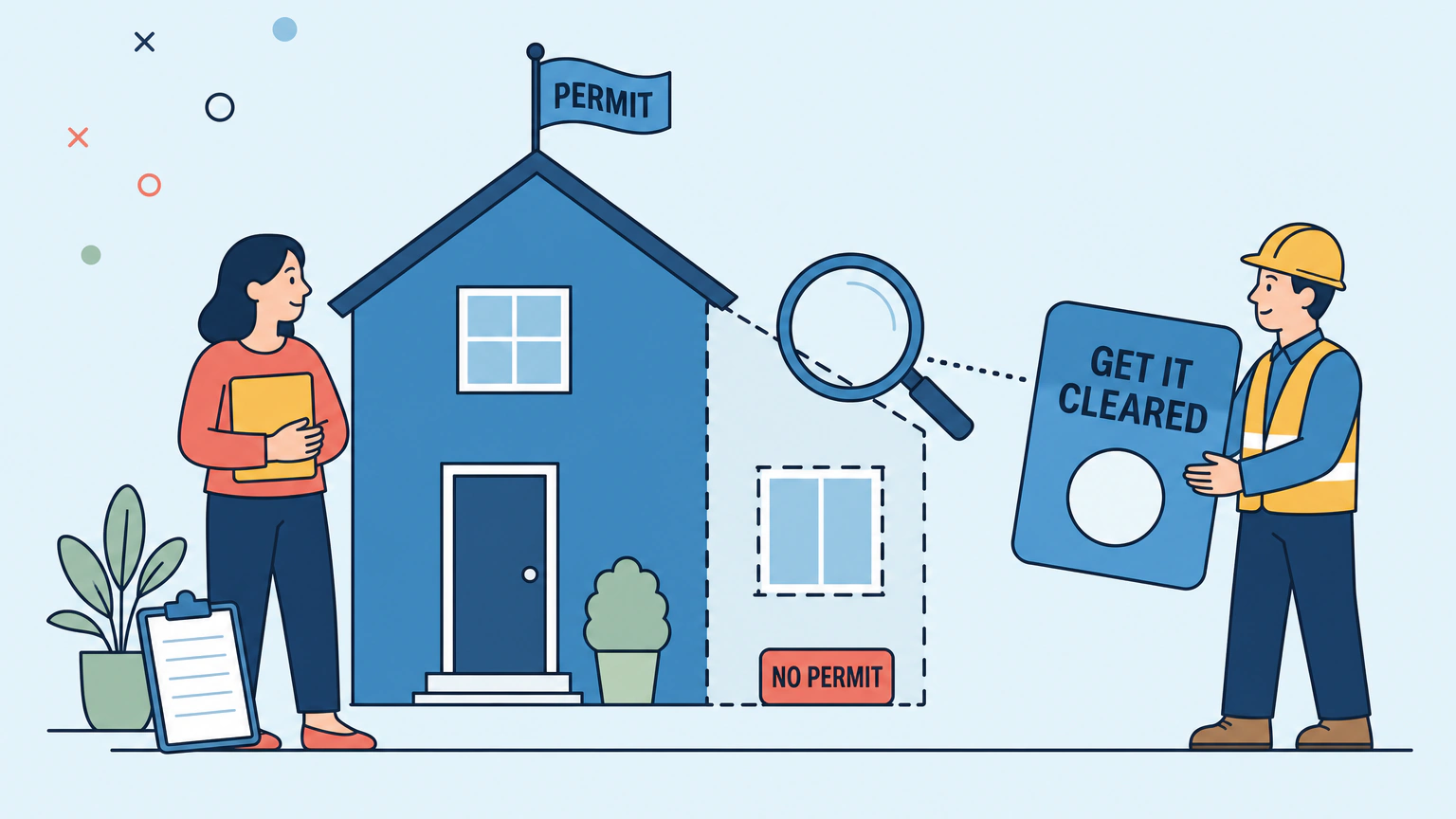
The contractor should, under their own license. When a homeowner pulls the permit to save a fee, the homeowner becomes the responsible party for code compliance and the contractor loses the reason to care. Permits bring an inspector at rough-in and again at the end, which is free scrutiny of work you cannot see once the walls close. Unpermitted work also turns up when you sell.
How should the payment schedule be set up?
Against finished stages, never against the calendar. A modest deposit to get materials moving, then a payment when a stage is complete and has passed its inspection, then a final amount released once the last items are done. Ask each sub for a lien waiver as you pay, so a subcontractor the contractor failed to pay cannot come after your house for the same money.