Overview: General Contractors
A general contractor runs the job. You hire one company; that company hires the framer, the electrician, the plumber and the painter, and decides who works which week. On anything with more than two trades in it, that sequencing is most of what you are paying for. Drywall cannot close a wall before the rough-in has been inspected.
Jobs rarely fail because someone cut a board wrong. They fail on paper. The scope says paint the trim, and nobody wrote down which trim. Extra work gets agreed in a hallway, then shows up on the final bill. Money runs ahead of progress, so when the tile goes in crooked there is nothing left to hold back.
Look at the paperwork before the photo gallery. A written scope that also lists what is excluded. A payment schedule tied to finished stages rather than to dates. Changes priced and signed before that work starts. The permit pulled in the contractor's own name, and lien waivers from the subs each time you pay. Ask whose license it is and check it with the board that issued it.
Use the state and city lists to reach contractors working in your area. Listings show what each company states on its own website, plus what customers wrote in public reviews.
Frequently asked questions
What does hiring a general contractor actually buy you?
One point of responsibility for a job with several trades in it. The contractor writes the scope, prices it, hires and pays the subs, orders materials so they land when the crew does, and keeps the inspections in the right order. You get one number, one schedule and one person to call when a crew does not show. On a single-trade job, that layer costs money it does not earn.
Contractor or project manager: what is the difference?
A general contractor signs one contract for the finished work and hires the subs as their own. A project manager, sometimes called a construction manager, coordinates for a fee while you hold a separate contract with every trade. The managed route can look cheaper on paper. It also leaves the gaps between trades, and the sub who did not get paid, sitting with you.
How should a change order work?
In writing, before the work happens. Each one names what changed, what it adds to the price, what it does to the schedule, and who asked for it. Verbal extras are where the trust goes: the crew remembers a yes, you remember a maybe, and the number turns up on the final invoice. Expect a few on any older house. A wall opened up is a wall with surprises in it.
Who arranges permits, approvals and inspections?
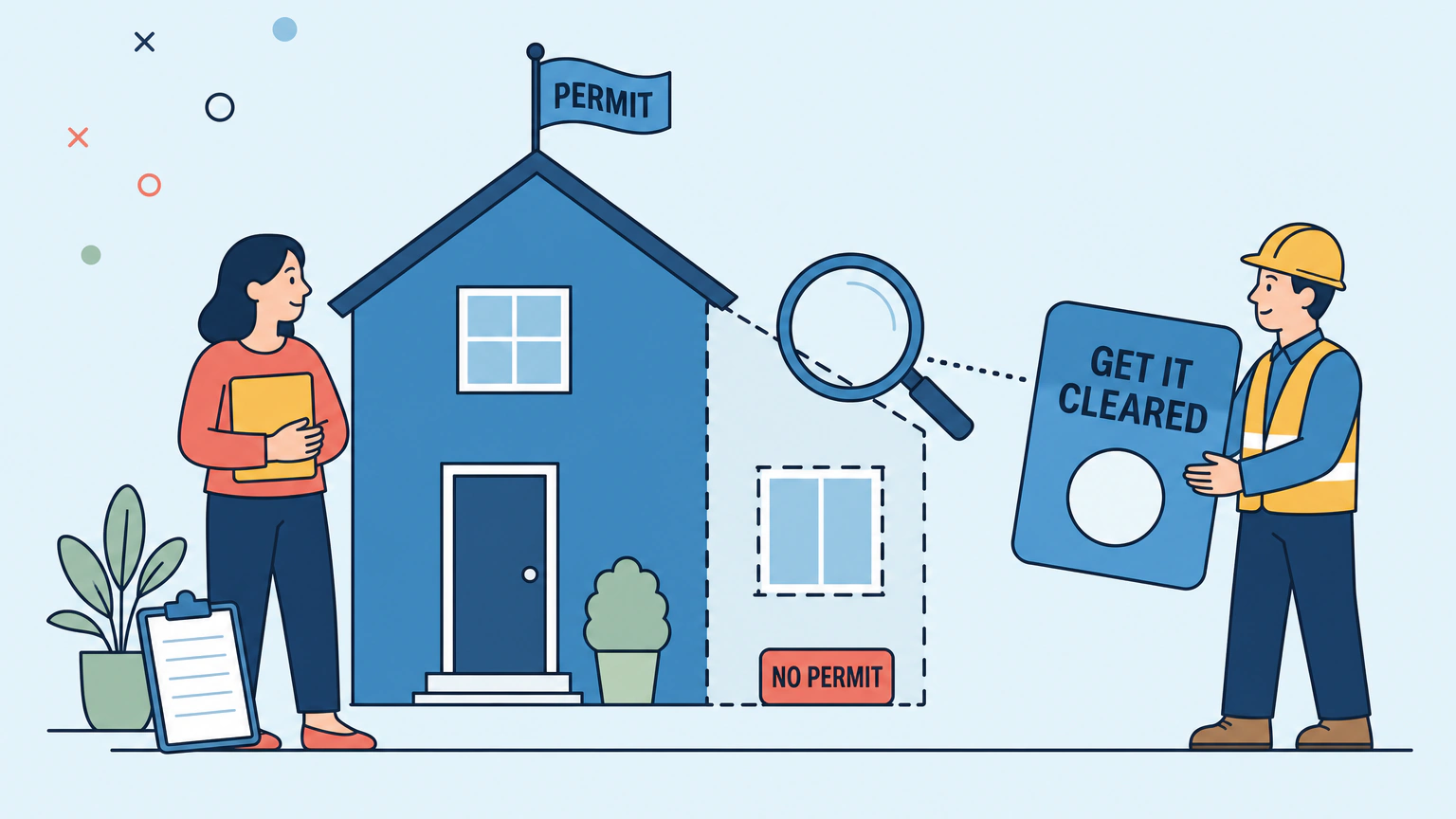
The contractor should, under their own license. When a homeowner pulls the permit to save a fee, the homeowner becomes the responsible party for code compliance and the contractor loses the reason to care. Permits bring an inspector at rough-in and again at the end, which is free scrutiny of work you cannot see once the walls close. Unpermitted work also turns up when you sell.
How should the payment schedule be set up?
Against finished stages, never against the calendar. A modest deposit to get materials moving, then a payment when a stage is complete and has passed its inspection, then a final amount released once the last items are done. Ask each sub for a lien waiver as you pay, so a subcontractor the contractor failed to pay cannot come after your house for the same money.